
Scotland's green spaces are some of the best in the world. Not everyone gets to benefit from them equally. My research asks why — and what we can do about it.
Get in touch
g.s.birnie@stir.ac.uk
Location
University of Stirling
Research profile
UoS Research Hub
Research
I'm a part-time PhD Candidate at the University of Stirling, where my research examines inequalities in green exercise engagement across Scotland — exploring why people from lower socioeconomic groups are less likely to access and benefit from outdoor physical activity.
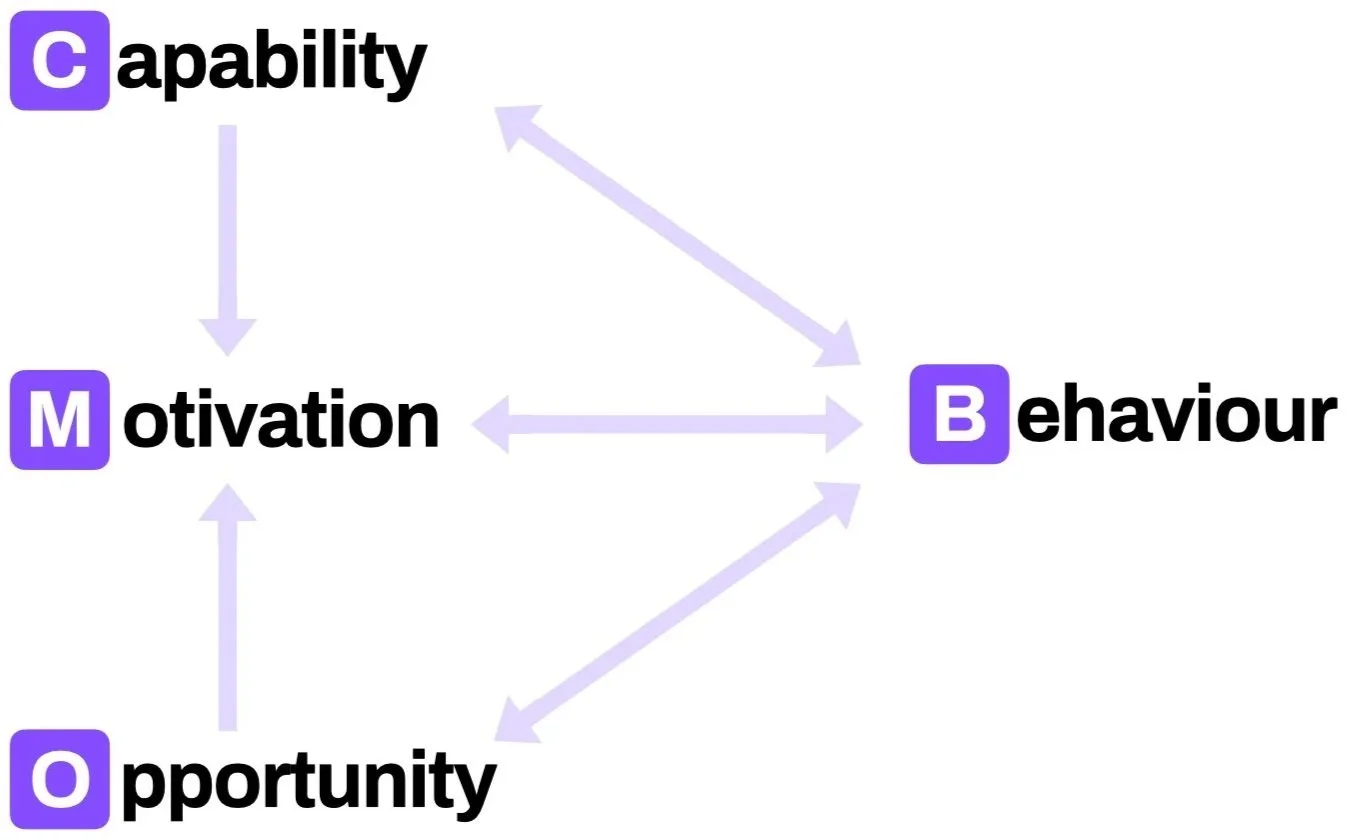
Using the Scotland's People and Nature Survey (SPANS) dataset and the COM-B behaviour change framework (Capability, Opportunity, Motivation — Behaviour), my research identifies the specific barriers and enablers that explain the gap in green exercise participation between social grades.
COM-B is one of the most widely used frameworks in behaviour change science. Applying it to green exercise inequalities means the findings aren't just descriptive — they point directly to where and how interventions can be designed to make a difference.
Current work
Difference in green exercise engagement between low and high social grades in Scotland through the lens of COM-B. An analysis using Scotland's People and Nature Survey (SPANS).
This paper examines how Capability, Opportunity, and Motivation differ between social grades in Scotland when it comes to engaging with green exercise — and what those differences mean for designing effective public health interventions.
Research focus
Inequalities in green exercise participation
Together, we outline a path forward that’s realistic, strategic, and tailored to your specific needs.
Motivational effects of goals on physical activity
You’re part of the process. We keep communication open and decisions shared—no black boxes or surprises.
Green exercise and underrepresented groups
How exposure to natural environments affects physical activity motivation among groups who are least likely to access them — and what that means for reducing health inequalities.
Why it matters
Health inequalities in Scotland are well documented. What's less understood is the role that access to green exercise plays in widening or narrowing that gap — and specifically, which behavioural barriers are most responsible.
For health organisations and public health teams designing physical activity interventions, this research offers something valuable: not just evidence that a gap exists, but a behaviourally grounded explanation of why — and a framework for designing responses that actually address it.
That's the difference between a report that sits on a shelf and research that changes what gets built.
Academic Background
PhD — University of Stirling (2025–present, part-time)
Physical activity motivation and goal setting using COM-B.
MSc Behavioural Science — University of Stirling
Research focused on physical activity engagement and motivation in Scotland
MSc Research
'The Motivational Effect of Goals on Physical Activity'
'The association between family support and routine on a child's physical activity levels in Scotland'
'Reducing sedentary behaviour in adolescents while at home on the weekend'
→ Read the full study: The Motivational Effect of Goals on Physical Activity